
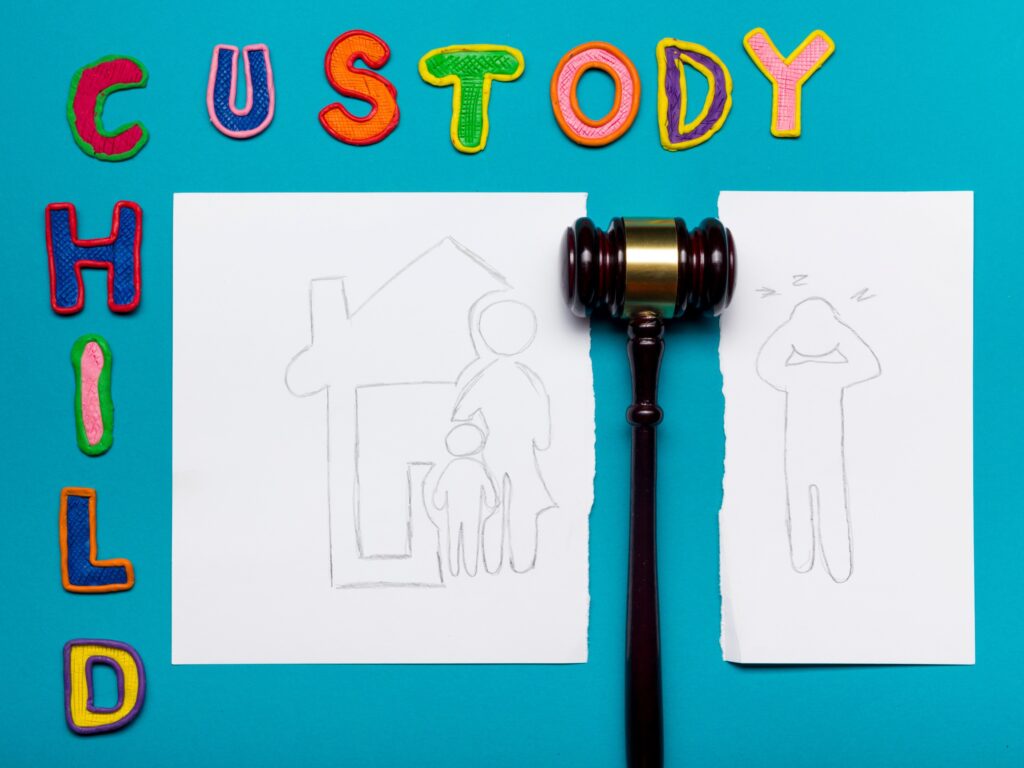
Child custody cases are some of the most emotionally charged disputes in Oklahoma family law. Parents are often stressed, overwhelmed, and unsure of what helps—or hurts—their case. While the court focuses on the best interests of the child, the things you say during a custody battle can have a major impact on how the judge views your ability to co-parent. Knowing what not to say is just as important as knowing what to say. Here are key statements and behaviors to avoid during an Oklahoma custody case.
Do Not Speak Negatively About the Other Parent
It can be tempting to vent your frustrations, but harsh criticism of your co-parent—especially in front of your child—can seriously harm your case. Oklahoma courts expect parents to encourage a healthy relationship between the child and the other parent.
Avoid statements like:
- “Your mom/dad is a terrible parent.”
- “You’re better off without them.”
- “They don’t care about you.”
Judges often view negative comments as signs of parental alienation, which may lead the court to question whether you are willing to foster a positive co-parenting relationship.
Do Not Tell the Court You Refuse to Co-Parent
Oklahoma favors arrangements where both parents remain involved in the child’s life. Statements such as “I don’t want them to have any time with our child,” or “I won’t work with them on anything,” send a message that you are unwilling to support joint decision-making or visitation. Even when conflict exists, showing a willingness to communicate and cooperate is essential.
Do Not Promise the Child a Choice on Custody
Parents sometimes say:
- “You can decide where you want to live.”
- “The judge will listen to whatever you want.”
In Oklahoma, a child’s preference is considered, but it is not the deciding factor, and promising the child control puts them in an unfair emotional position. This can appear manipulative to the court.
Do Not Discuss Adult Issues With the Child
Courts expect parents to shield children from stress. Avoid talking to your child about:
- Finances
- Court hearings
- The other parent’s behavior
- Child support
- Legal strategy
Statements like “We’re going to lose the house if this goes badly” or “Your father is trying to take you away from me” can be viewed as emotional pressure on the child.
Avoid Saying Anything That Suggests You Are Unstable
Judges look closely at each parent’s ability to provide a safe, consistent environment. Statements such as:
- “I can’t handle this anymore.”
- “Everything is falling apart.”
- “I don’t care what happens.”
may lead the court to question your emotional readiness to parent full-time. Even during stressful moments, it is important to present yourself as capable and stable.
Do Not Admit to Ignoring Court Orders
Custody courts take compliance seriously. Statements like:
- “I didn’t follow the temporary order because it wasn’t fair.”
- “I won’t send the child for visitation until the court changes the schedule.”
can severely harm your position. Judges expect parents to follow orders unless and until they are formally modified.
Do Not Make False Accusations
Accusing the other parent of abuse, neglect, drug use, or criminal behavior without evidence can destroy your credibility. Oklahoma judges take allegations seriously, and false claims may lead to sanctions—or loss of custody time.
Always allow your attorney to guide how and when to present concerns.
Why These Statements Matter
In Oklahoma custody cases, the judge evaluates:
- Each parent’s ability to put the child first
- Stability and emotional maturity
- Willingness to co-parent
- Communication skills
- Respect for court orders
Your words—spoken to the court, the child, or the other parent—paint a picture of how you will behave after the court issues a final order.
Speak With a Tulsa Custody Attorney
Custody battles are stressful, but the right guidance can help protect both your rights and your child’s well-being. Before texting the other parent, posting on social media, or appearing in court, it is wise to consult with an experienced attorney who understands how Oklahoma judges view these cases. Contact us today at Tulsa Divorce Attorneys & Associates by calling 539-302-0303 or online.